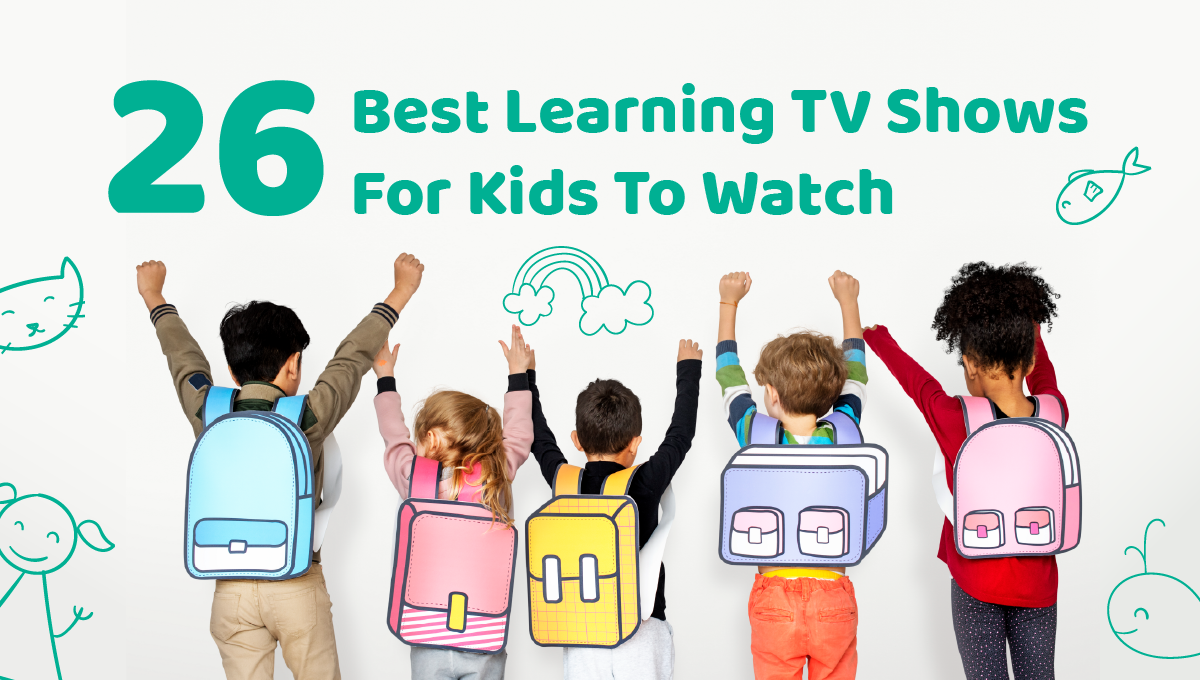
Finding genuinely useful learning TV shows for kids can be difficult when every child has different interests, skills and attention spans. Some children learn best through songs and repetition, while others prefer stories, drawing, movement, science or problem-solving.
We reviewed the current KidsBeeTV catalog to find learning TV shows for kids that give children something meaningful to learn, practice or explore: from letters, numbers and vocabulary to science, music, emotions, safety and teamwork.
Each recommendation includes a suggested age range and learning focus to help you find content that better fits your child.
A note for parents of younger children: The American Academy of Pediatrics notes that infants under 18 months learn best from real-world interactions. For toddlers and older children, choose age-appropriate content and watch, talk, sing, move or play together when possible.
To learn ABCs, numbers, colors, animals, vocabulary and grammar
For children building early language and number skills, these learning TV shows for kids use songs, repetition, visual clues and simple challenges to introduce letters, numbers, colors, animals and new words. The choices range from preschool basics to grammar and idioms for older children, so check the suggested age under each show to find the best fit.
Lottie Dottie Chicken
Suggested age: Ages 2-5
Learning focus: Early vocabulary, rhythm, listening and movement.
Lottie Dottie Chicken brings nursery rhymes and lively songs to young children through colorful, easy-to-follow musical videos. The KidsBeeTV collection is especially suited to building early vocabulary, rhythm and listening skills while encouraging children to sing, copy actions and join in. It is a playful choice for toddlers and preschoolers who enjoy learning through repetition and music.
Ria Rabbit
Suggested age: Ages 2-6
Learning focus: Alphabet, letter recognition, early vocabulary and drawing.
Ria Rabbit combines stories, songs and simple activities with direct early-learning videos. On KidsBeeTV, children can find dedicated videos for every uppercase and lowercase letter of the alphabet, alongside nursery rhymes, drawing activities and other learning content. That makes Ria Rabbit particularly useful for letter recognition and early vocabulary, while stories and songs add variety around the core learning activities.
Little Smart Planet
Suggested age: Ages 2-5
Learning focus: Colors, numbers, the alphabet and everyday vocabulary.
Little Smart Planet introduces preschool concepts in clear, short learning videos designed for young children. Kids can practice vocabulary connected with colors, numbers, the alphabet, seasons, months, the body and other familiar topics. Songs, repetition and visual examples help make new words and concepts easier to recognize and remember.
Clever Cars
Suggested age: Ages 2-5
Learning focus: Numbers, colors, shapes, letters, animals and everyday routines.
Clever Cars turns familiar preschool topics into animated learning adventures with friendly vehicles. The series introduces concepts such as numbers, colors, shapes, letters, animals, seasons and everyday routines through simple stories and playful activities. Its visual approach makes it a good choice for toddlers and preschoolers who are beginning to name, sort and recognize the world around them.
The Mik Maks
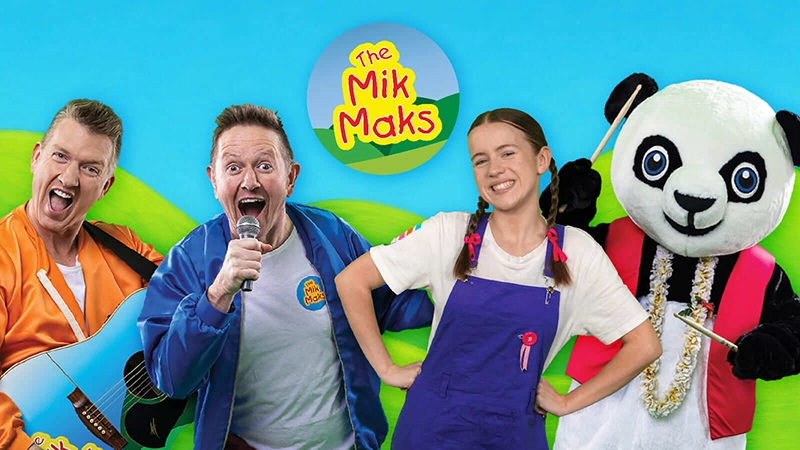
Suggested age: Ages 2-6
Learning focus: Alphabet, phonics, numbers, animals, routines and movement.
The Mik Maks mix country-rock energy with songs children can sing and move along to. Their KidsBeeTV learning videos explore early topics such as the alphabet, phonics, numbers and animals, while other playlists focus on nursery rhymes, routines and healthy habits. The combination of repetition, music and movement gives preschoolers an active way to practice familiar concepts.
Pocoyo
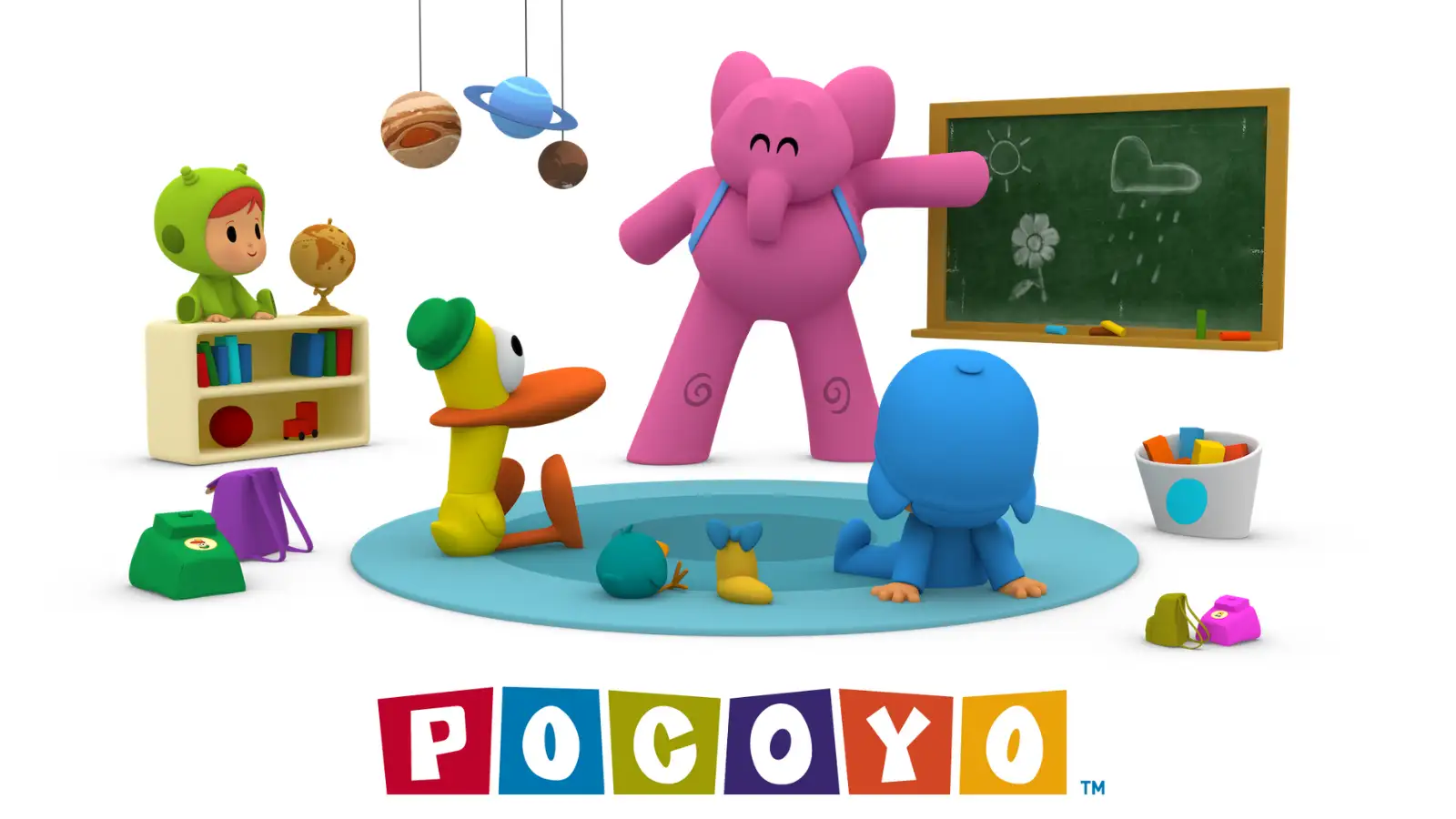
Suggested age: Ages 3-6
Learning focus: Vocabulary, basic concepts, communication, friendship and problem-solving.
Pocoyo offers both direct learning and story-led adventures. Let’s Go Pocoyo, from Season 3, introduces young children to English vocabulary and basic concepts through simple situations and songs. Other Pocoyo episodes focus more on exploration, communication, friendship and everyday problem-solving as Pocoyo and his friends discover the world around them.
Zoobabu
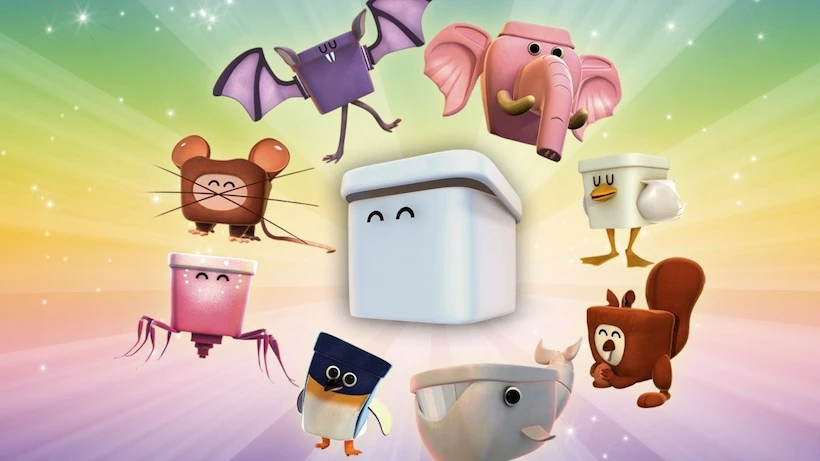
Suggested age: Ages 3-6
Learning focus: Animals, descriptive vocabulary, observation and simple inference.
Zoobabu turns animal learning into a guessing game. In each short challenge, children use visual and verbal clues to work out which animal is hiding inside the box. The format helps preschoolers practice animal names, descriptive vocabulary, careful observation and simple reasoning while keeping them involved in finding the answer.
Super Geek Heroes
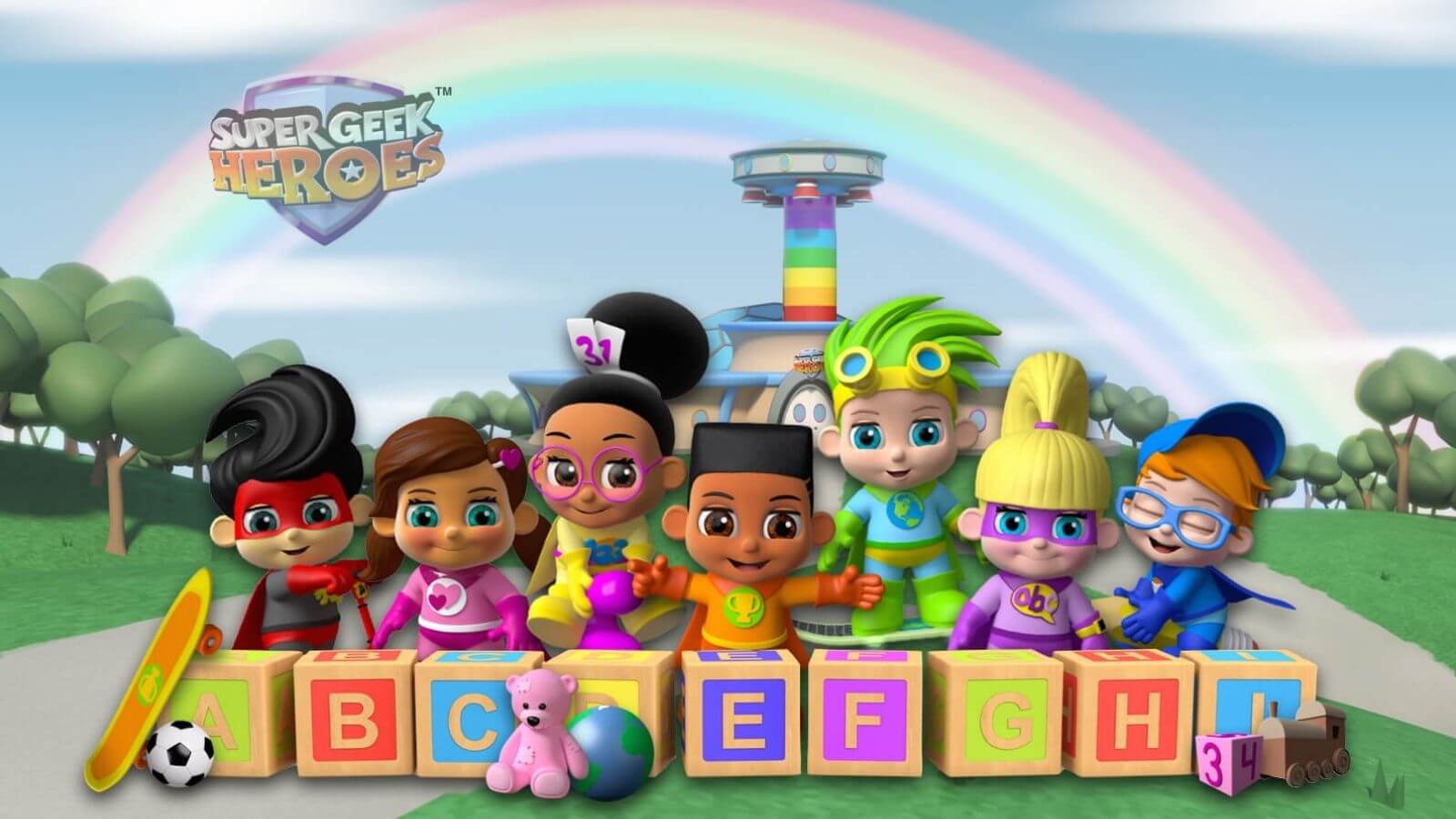
Suggested age: Ages 3-6
Learning focus: Literacy, numeracy, communication, creativity and social-emotional learning.
Super Geek Heroes uses a team of learning superheroes to explore a broad range of early-years skills. KidsBeeTV includes videos covering areas such as literacy, numeracy, communication, creativity, physical development and personal and social learning, along with read-aloud stories. It is a useful all-round choice for preschoolers who enjoy direct learning wrapped in colorful, character-led adventures.
MC Grammar
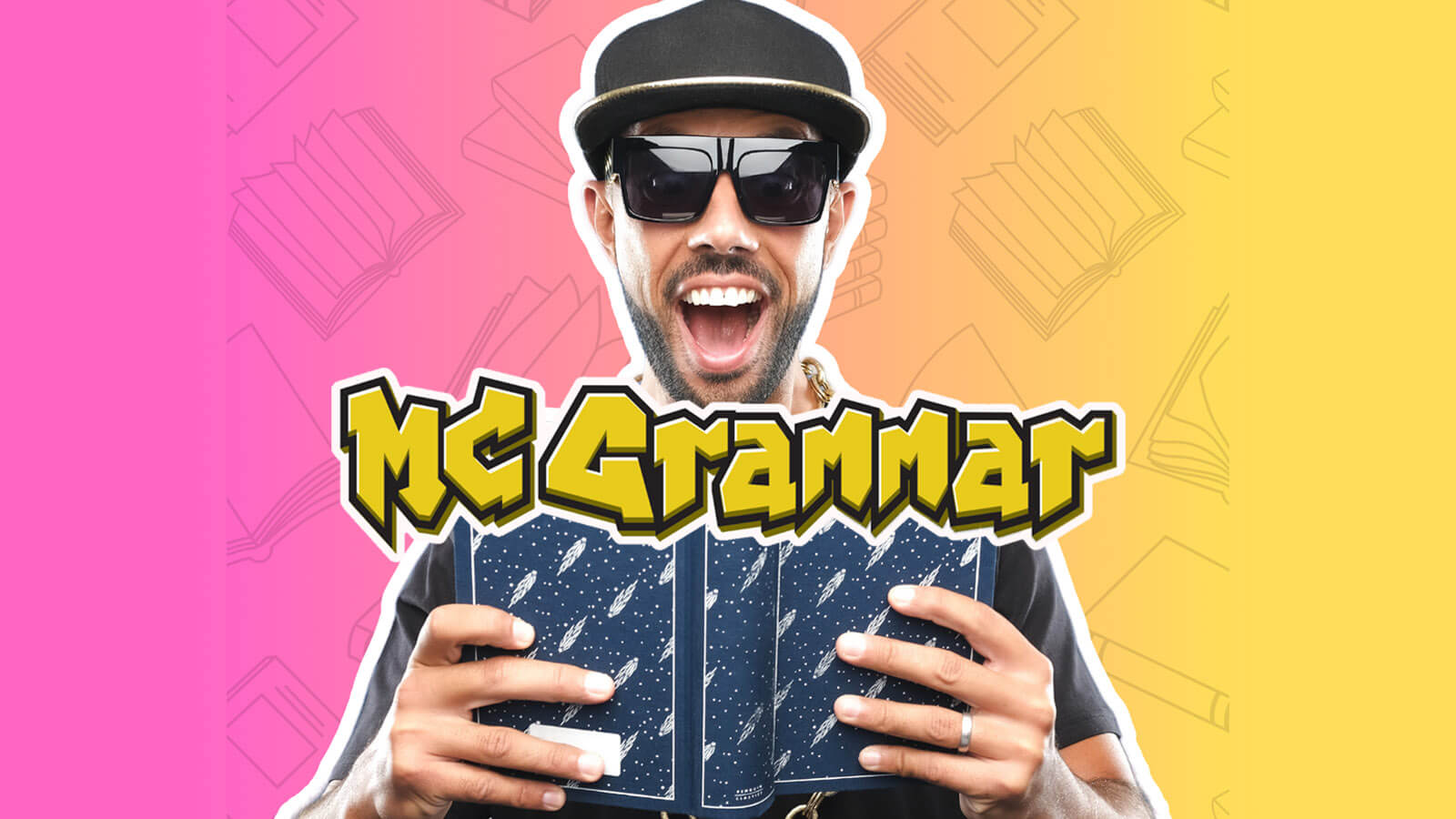
Suggested age: Ages 6-8
Learning focus: English grammar, sentence structure, word classes and selected maths concepts.
MC Grammar uses rap, rhyme and wordplay to make language lessons more memorable. The KidsBeeTV collection focuses mainly on English grammar, helping children explore how words and sentences work, with additional videos introducing mathematical concepts. Its faster, more language-heavy style makes it a better fit for children at the older end of this list than for preschoolers.
Out of This Word
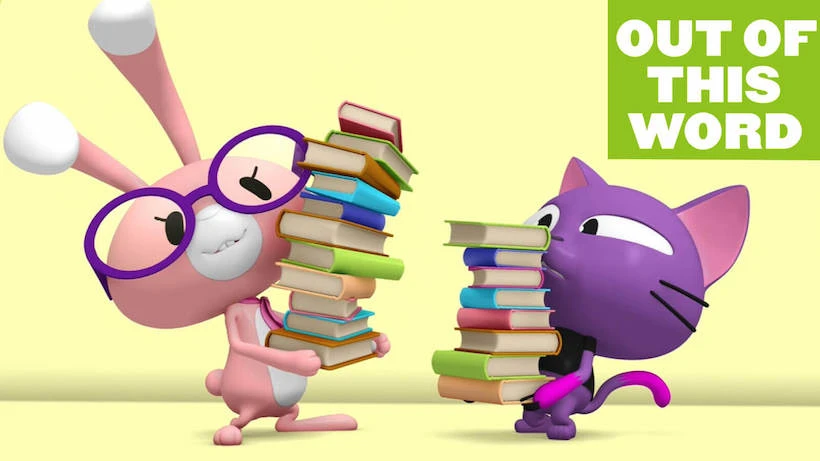
Suggested age: Age 8
Learning focus: Idioms, literal and figurative language, vocabulary and word meanings.
Out of This Word explores the funny side of English expressions through Max, who often takes words literally, and Moon, who explains what those expressions really mean. The stories introduce idioms, literal and figurative meanings and the origins of familiar phrases, helping older children think more carefully about how language works. Because the vocabulary and concepts are more advanced than the preschool shows on this list, this one is best suited to children around age 8.
To learn about science and the world, culture, music and art, emotions, teamwork, movement and safety
Learning is about much more than letters and numbers. These learning TV shows for kids help children explore the world through science, stories, music, art, movement and everyday situations. Some teach a skill directly, while others model ideas such as curiosity, cooperation, kindness, environmental responsibility and safety through characters and stories.
Mouk
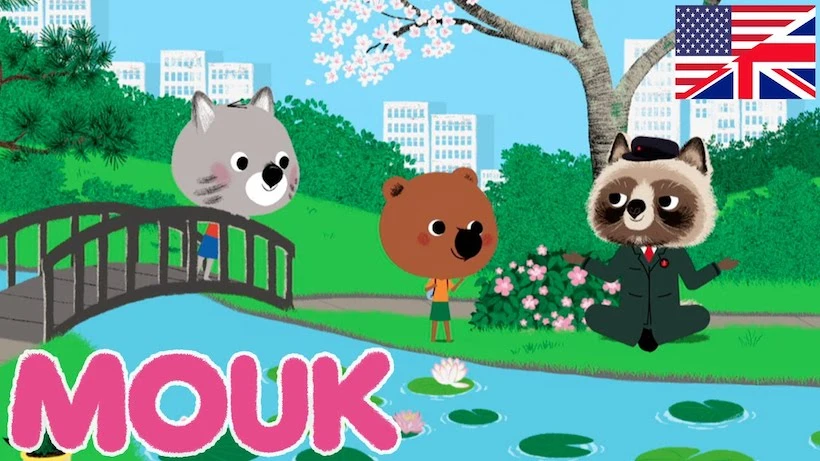
Suggested age: Ages 4-7
Learning focus: Culture, travel, diversity and curiosity about the wider world.
Mouk follows two friends as they travel to different parts of the world and encounter new places, customs and ways of life. Rather than teaching geography as a formal lesson, the stories encourage curiosity about other cultures and give children a friendly introduction to diversity, travel and everyday life beyond their own community.
Earth to Luna

Suggested age: Ages 4-7
Learning focus: Science, curiosity, observation and simple scientific reasoning.
Earth to Luna begins with the kinds of questions curious children naturally ask: Why does something happen? How does it work? What can we observe to find out? Luna investigates her questions through exploration, imagination and simple scientific reasoning. The series encourages children to notice details, ask questions and look for explanations rather than simply memorizing facts.
Storytime with Luz Maria Mack
Suggested age: Ages 3-7
Learning focus: Listening, vocabulary, story comprehension, family themes and bilingual storytelling.
Storytime with Luz Maria Mack brings children into read-aloud stories that support listening, vocabulary and story comprehension. The KidsBeeTV collection includes stories about healthy habits, courage and family bonds, as well as bilingual and culturally rich storytelling. It is a calm option for children who enjoy learning through books, narration and conversations about characters and their experiences.
Pinkfong
Suggested age: Ages 2-5
Learning focus: Music, movement, feelings, listening and participation.
Pinkfong is best known for catchy sing-alongs, and the KidsBeeTV collection leans into music, movement and feelings. Children can sing and dance along, practice simple emotional vocabulary and enjoy quieter lullabies as part of calming routines. The repetition and actions make these videos especially easy for toddlers and preschoolers to join in with rather than simply watch.
Giligilis
Suggested age: Ages 2-5
Learning focus: Rhythm, beat, movement, percussion and musical participation.
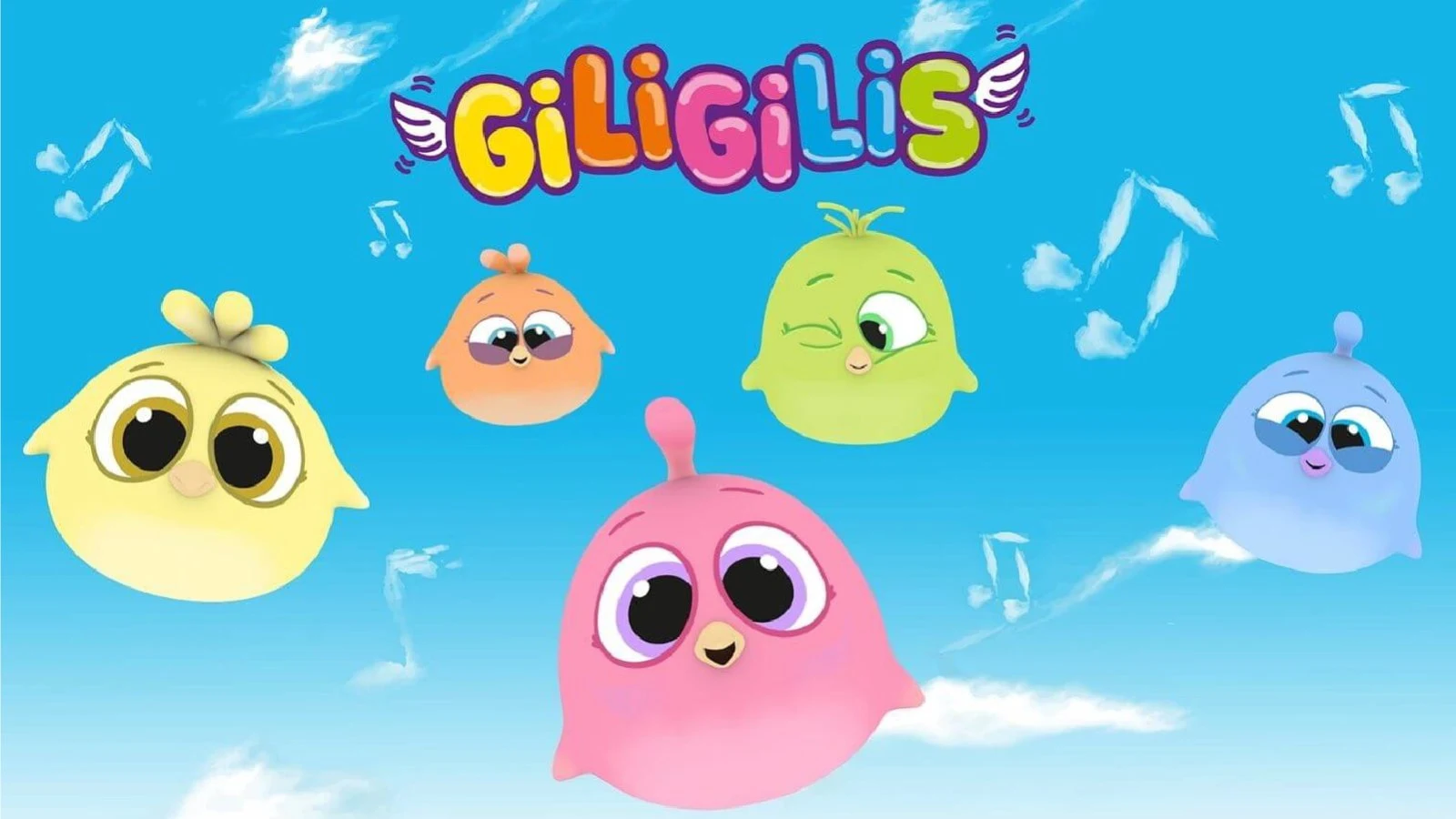
Giligilis invites young children to experience music with their whole bodies. Through rhythm, beat, percussion, clapping, singing and movement, the videos encourage children to copy patterns and respond physically to sound. Because the activities rely little on spoken instruction, children can participate by watching, listening and imitating the characters.
Mr. Boom Boom’s Music Room

Suggested age: Ages 2-6
Learning focus: Rhythm, percussion, instruments, singing and hands-on music play.
Mr. Boom Boom’s Music Room turns music into something children can actively do. Kids can clap rhythms, explore percussion, try bucket drumming, discover instruments, sing along and even get ideas for making simple instruments at home. The hands-on approach makes these videos especially useful when families want screen time to lead into movement and creative play away from the screen.
The Moververse
Suggested age: Ages 2-5
Learning focus: Movement, coordination, gross-motor skills, creativity and confidence.
The Moververse gets children up and moving with guided dance and physical activities designed for young learners. By copying actions, changing direction and moving to music, children can practice coordination and gross-motor skills while using their imagination. The emphasis is on active participation, creativity and confidence rather than academic instruction.
Louie
Suggested age: Ages 3-6
Learning focus: Drawing, art, visual vocabulary and imagination.
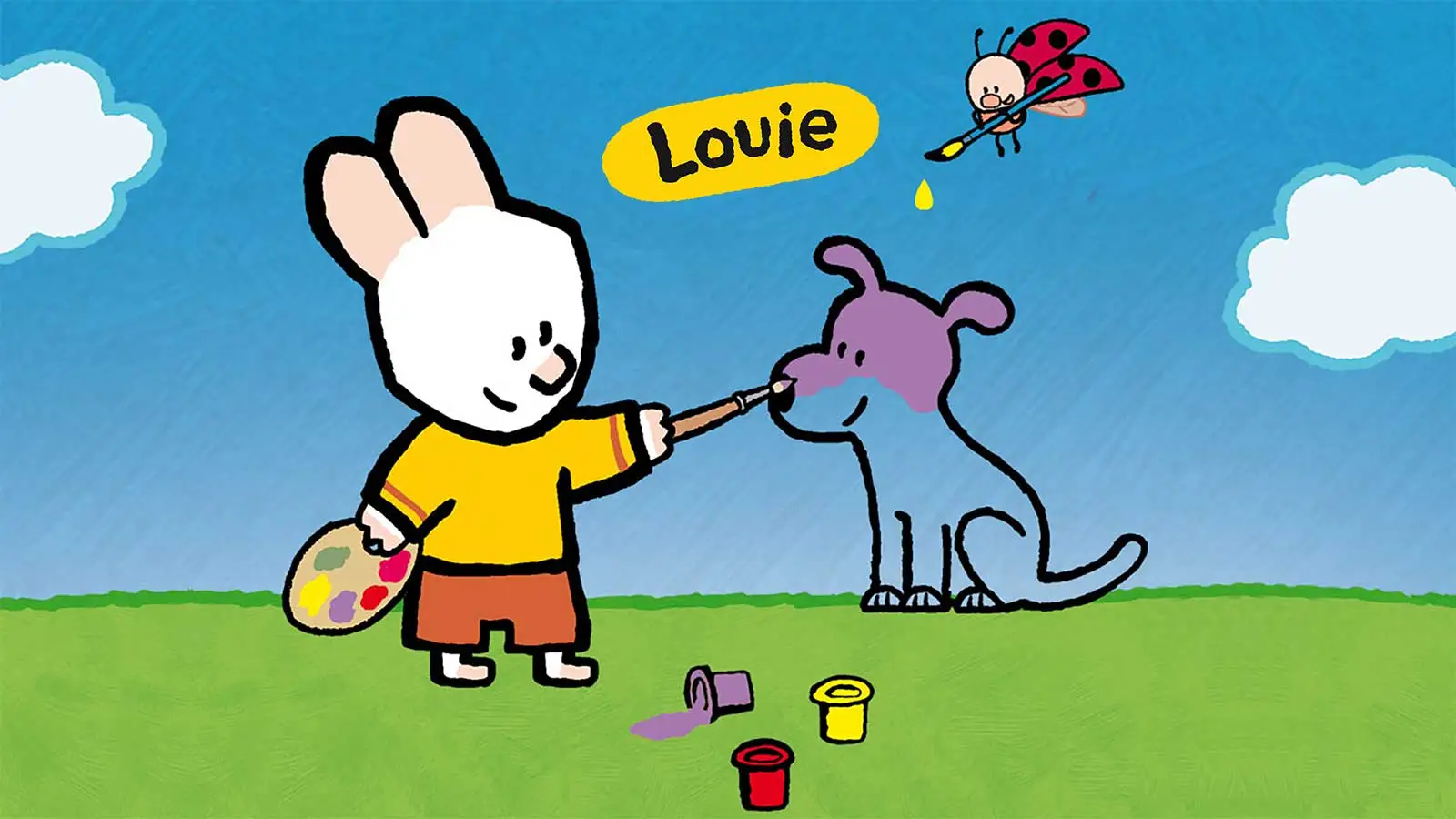
Louie makes drawing feel approachable by building pictures one simple step at a time. Children can follow the shapes and lines on screen, learn words connected with what they are drawing and use each picture as a starting point for imaginative play. For the best learning value, keep paper and crayons nearby so children can draw along rather than only watch.
Beadies
Suggested age: Ages 2-5
Learning focus: Hygiene, shapes, comparing and sorting, emotions, music and preschool concepts.
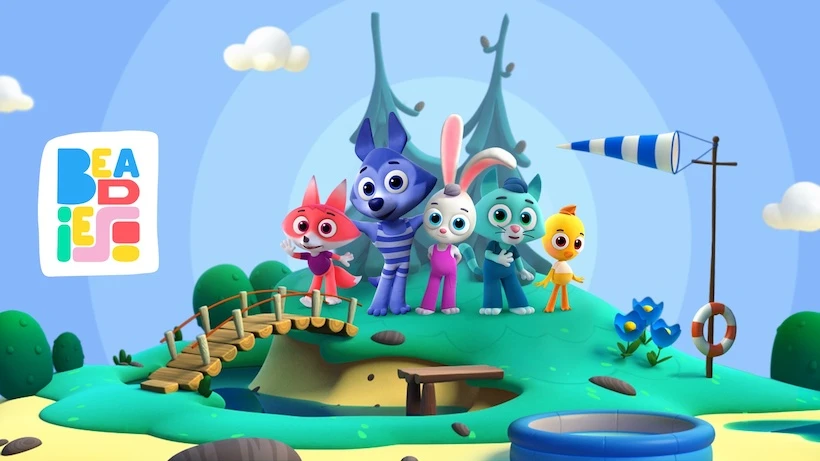
Beadies mixes songs, games and short animated situations to introduce a variety of preschool ideas. Different KidsBeeTV playlists focus on topics such as hygiene, shapes, comparing and sorting, simple emotions and social habits, as well as music, nursery rhymes and playful activities. Because the learning focus changes from one video to another, Beadies works best as a varied learning collection rather than a single-subject course.
Miliki Family
Suggested age: Ages 2-5
Learning focus: Everyday routines, feelings, family relationships, music and imaginative play.
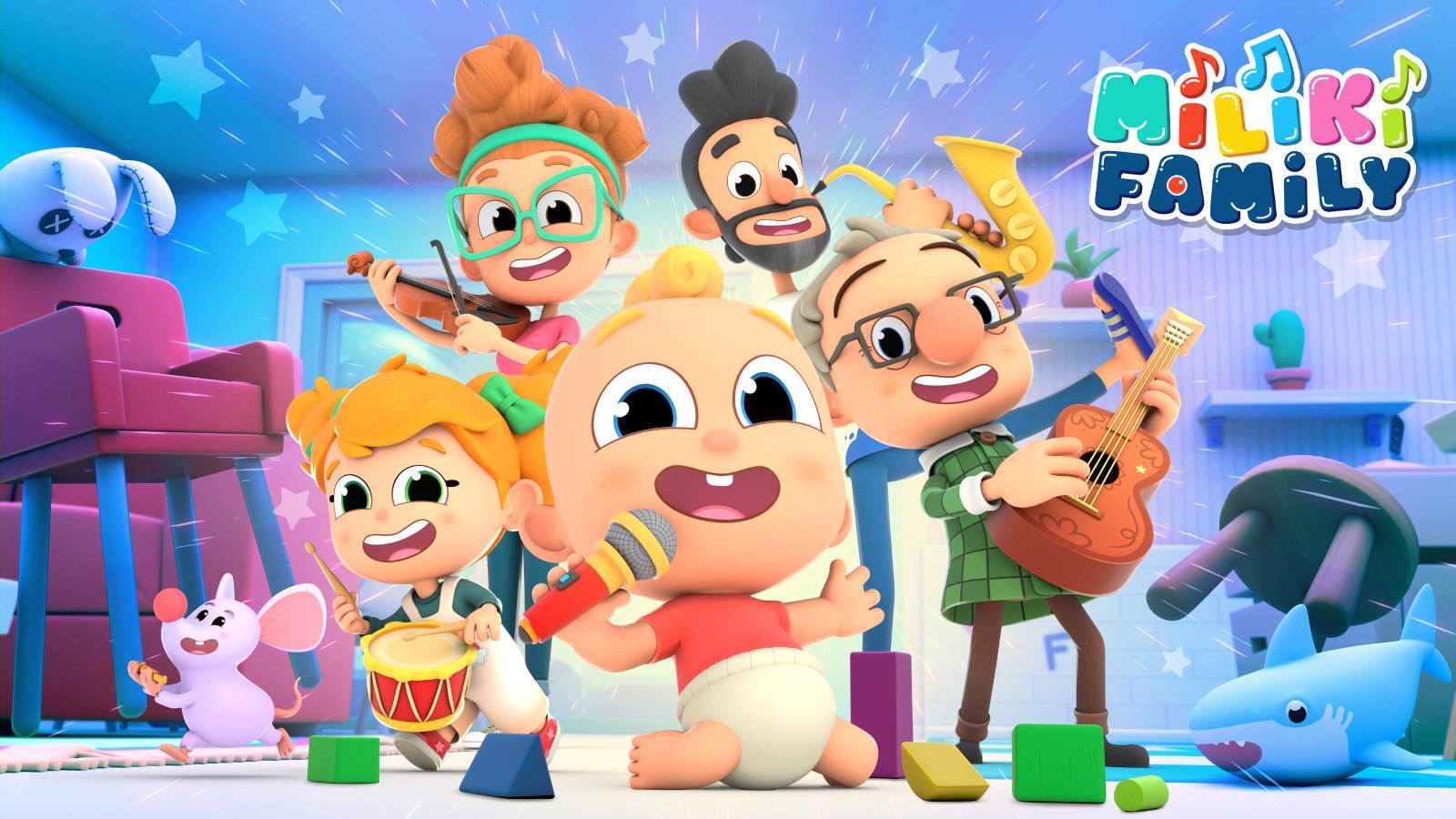
Miliki Family turns familiar preschool experiences into musical family stories. Through Miliki Jr., Grandpa Miliki and the rest of the family, children explore everyday routines, feelings, relationships and imaginative play, with songs and dancing woven into the adventures. It is less about formal lessons and more about helping young children recognize situations and emotions from their own daily lives.
Molang
Suggested age: Ages 3-6
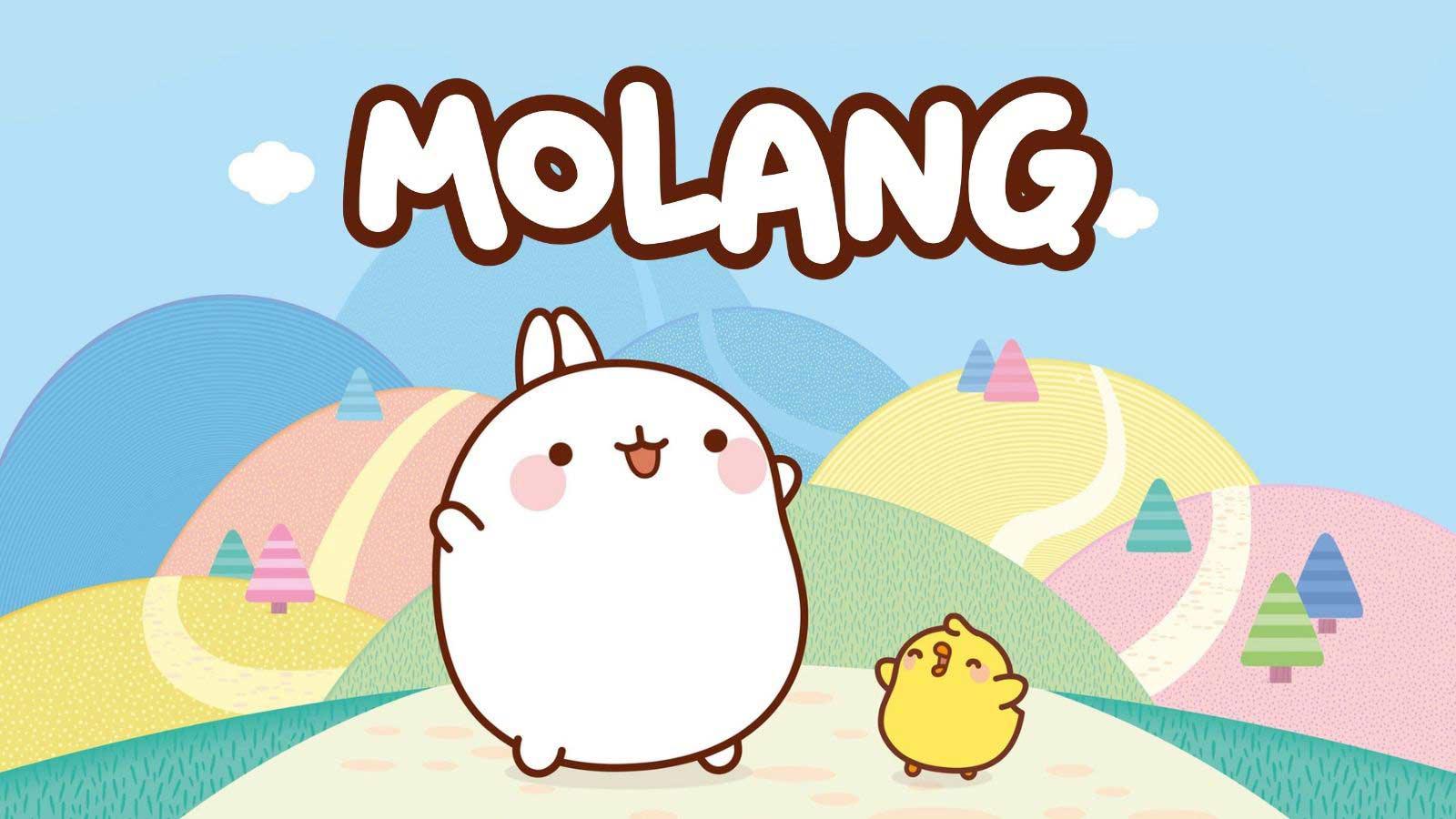
Learning focus: Friendship, kindness, cooperation, emotions and social understanding.
Cry Babies Little Changers
Suggested age: Ages 3-6
Learning focus: Environmental responsibility, recycling, saving water and energy, and everyday habits.
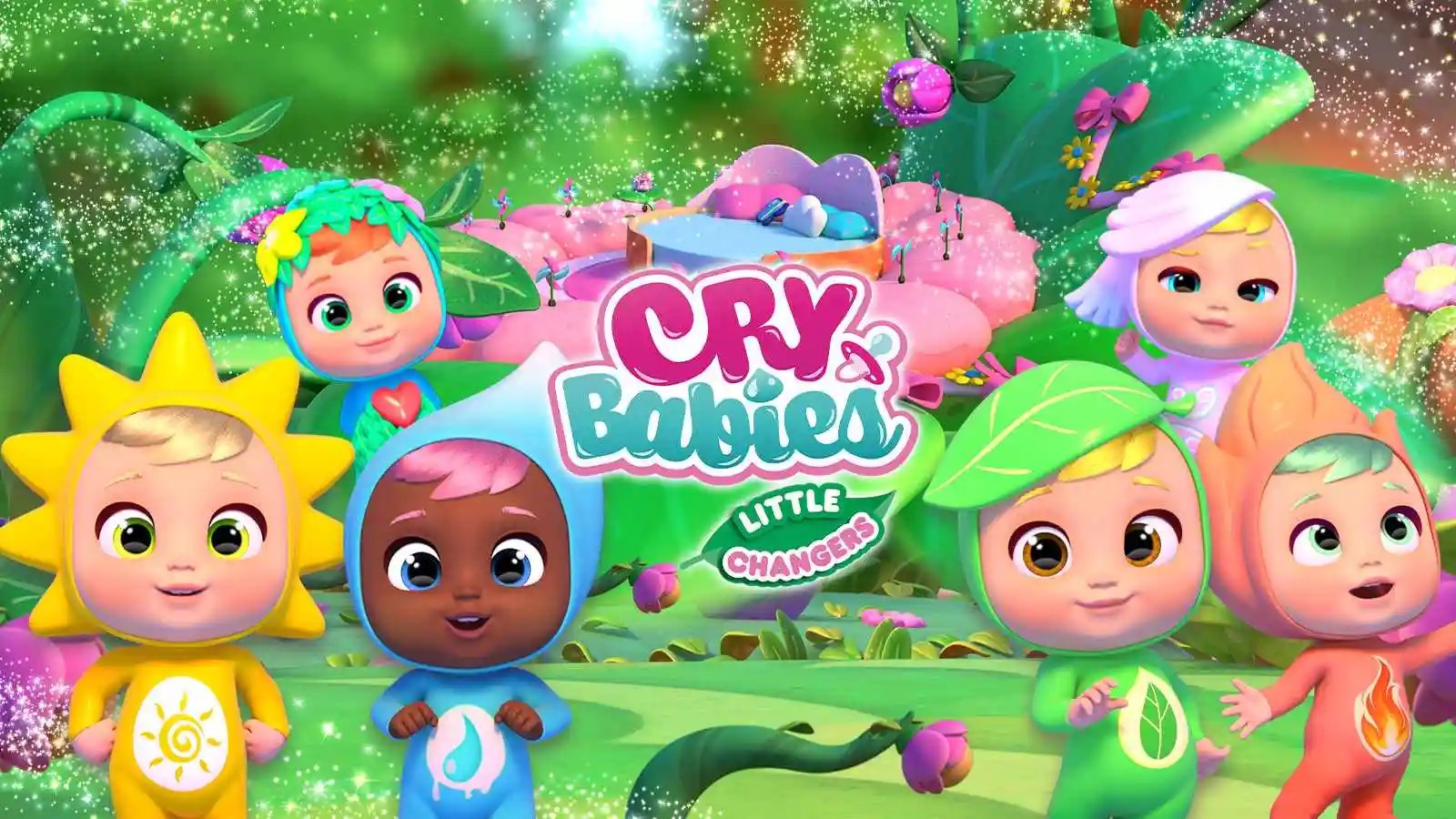
Cry Babies Little Changers introduces simple ways children and families can care for the planet in everyday life. Stories show why actions such as saving water and energy, reusing items and recycling matter, while the characters work together to make better choices. The environmental messages are concrete and easy to connect with small habits children can practice at home.
Robocar Poli
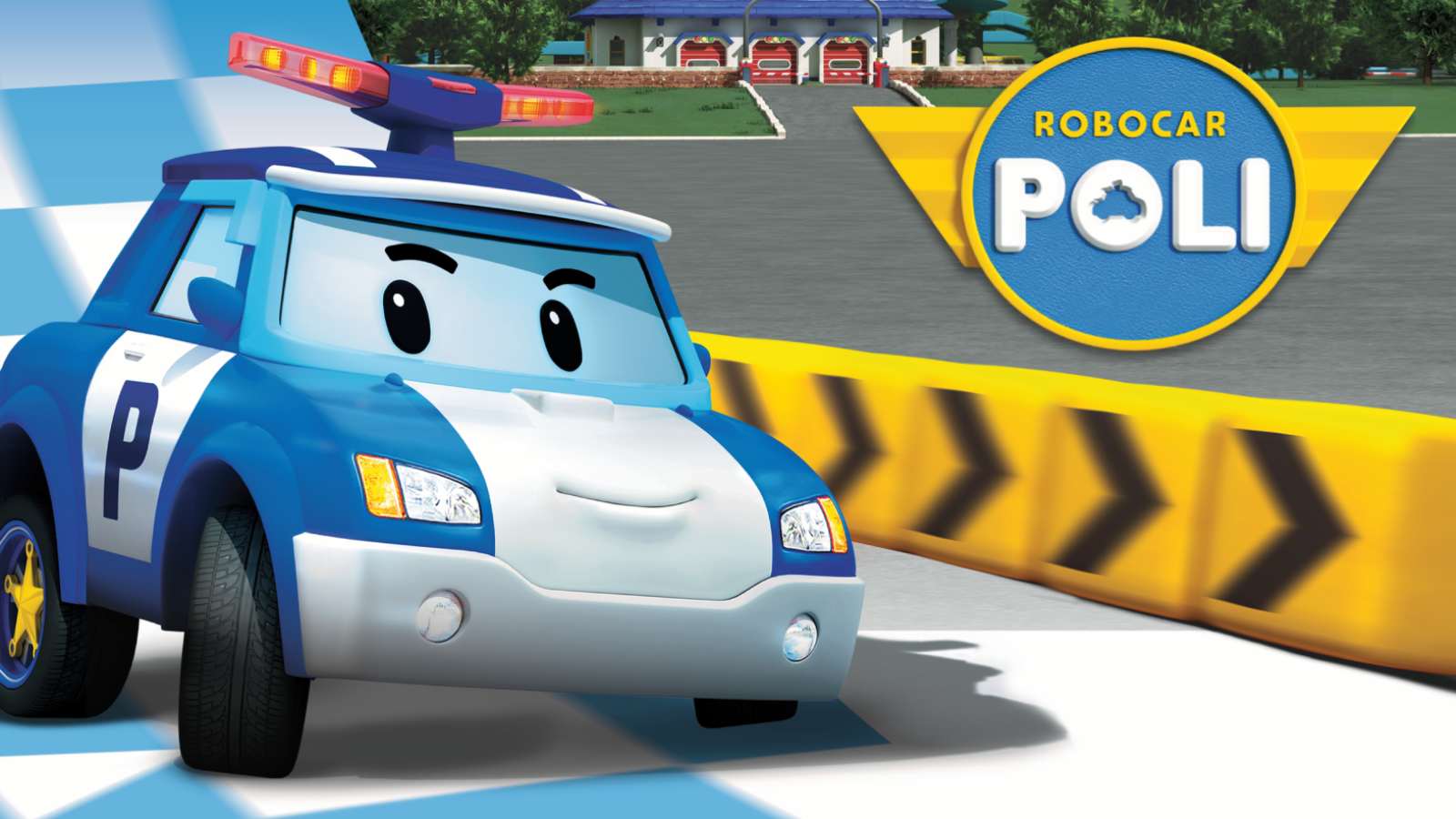
Suggested age: Ages 3-6
Learning focus: Teamwork, responsibility, helping others, problem-solving and general safety awareness.
Robocar Poli follows a rescue team that works together to solve problems and help people in their community. The adventures give children examples of cooperation, responsibility, helping others and thinking through problems, with general safety ideas appearing naturally in the stories. The rescue format makes these social lessons concrete without turning the show into a formal safety lesson.
Milo
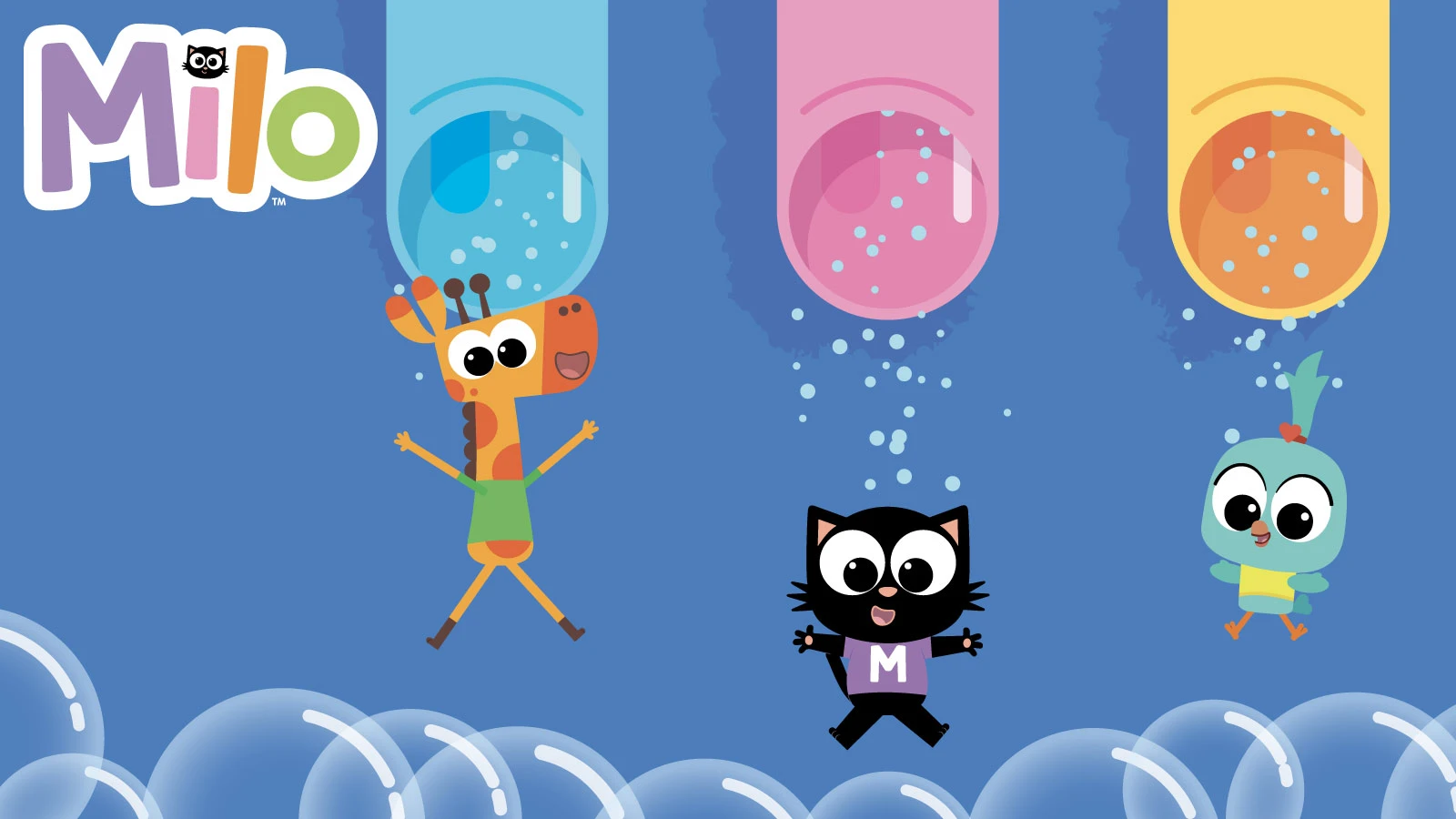
Suggested age: Ages 3-6
Learning focus: Jobs and careers, teamwork, curiosity, problem-solving and perseverance.
Milo uses imaginative role-play to introduce children to different jobs and the people who do them. As Milo tries out new roles, the stories explore teamwork, problem-solving, perseverance and the idea that many different kinds of work are valuable. It is a playful way to spark conversations about careers and the interests children might want to explore.
Fire Safety with Roy
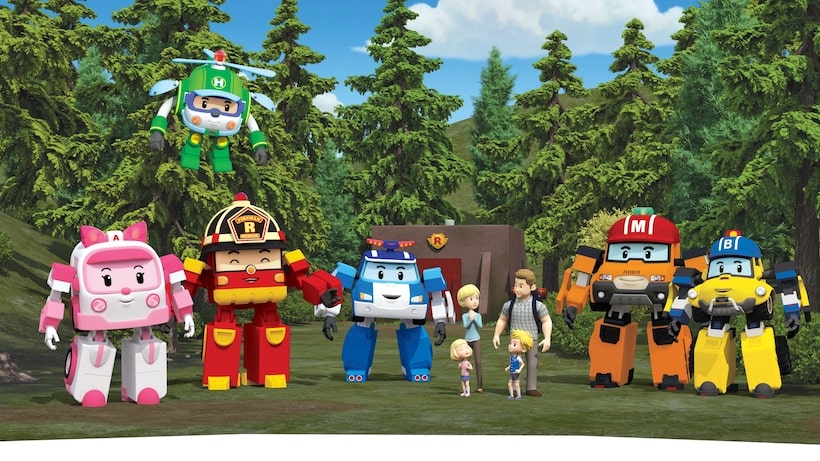
Suggested age: Ages 3-7
Learning focus: Fire hazards, prevention, safety rules and appropriate responses.
Fire Safety with Roy teaches children how to recognize common fire hazards and make safer choices in everyday situations. Through simple scenarios, Roy introduces prevention, basic safety rules and appropriate responses to fire risks at home, at school and on the playground. The direct, practical format makes the lessons easier for young children to understand and discuss with an adult.
Daily Life Safety with Amber
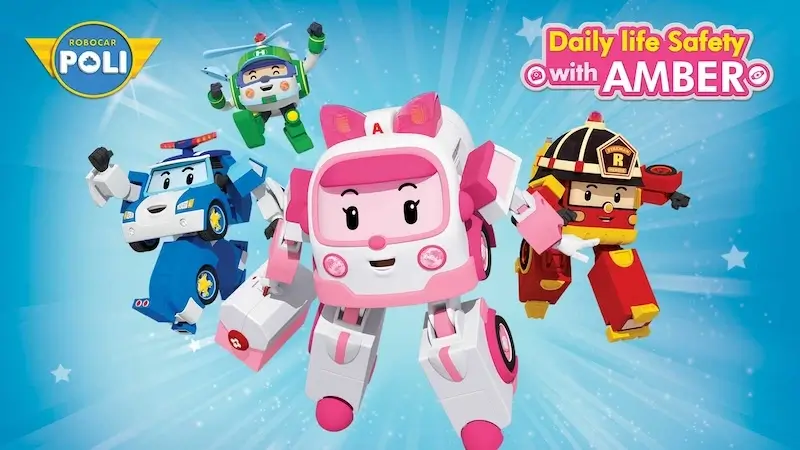
Suggested age: Ages 3-7
Learning focus: Everyday accident prevention, getting lost, electrical hazards and bicycle safety.
Daily Life Safety with Amber uses familiar situations to help children think about everyday risks before they become accidents. The KidsBeeTV collection covers topics such as what to do when getting lost, electrical hazards and bicycle accidents, with Amber explaining safer choices and appropriate responses. It works especially well as a starting point for parents and children to talk through safety rules together.
Benefits of Learning TV Shows for Kids
They can introduce and reinforce new concepts
Age-appropriate shows can expose children to new words, letters, numbers, science ideas, music, art and positive social behaviors in a context they can understand. Repeating the same song, word or idea across different situations can also help children become more familiar with it.
They can encourage active participation
Some of the most useful learning shows invite children to do something rather than only watch. Singing, answering questions, copying movements, guessing an animal, drawing a picture or trying a simple activity can turn viewing into a more active experience.
Watching together can extend the learning
Parents and caregivers can make educational media more meaningful by connecting what happens on screen with real life. Try repeating a new word, asking what happened in the story, talking about how a character felt, singing the song again without the screen or continuing an activity afterward. The show can introduce the idea, but conversations and play help children make more of it.
How to Choose Learning TV Shows for Kids
When choosing learning TV shows for kids, start with your child’s age, interests and current skills. With 26 options in this updated list, children can explore everything from letters, vocabulary and science to music, drawing, movement, emotions, safety, careers and teamwork. Whenever possible, make viewing active: sing along, draw, move, ask questions or try the idea together afterward.
Watch These Learning Shows on KidsBeeTV
All 26 learning TV shows for kids in this updated list were verified in the current KidsBeeTV catalog in August 2026. KidsBeeTV brings together handpicked cartoons, songs, stories and learning videos in an ad-free app designed for children ages 0-8.
Learning App — Try For Free
Kids Learning
3-7 years